
From Iquitos: A 3-Day Pacaya Samiria Tour Review
So, you’re thinking about a trip to the Pacaya Samiria National Reserve from Iquitos, Peru, right? Well, it’s almost like stepping into a totally different planet – a humid, green, incredibly vibrant one. This review will share what you might expect on a three-day tour, the bits that were wonderful, and perhaps even a few things you’ll want to prepare for. This spot is gigantic, protecting a seriously huge slice of the Amazon rainforest, which means wildlife spotting, tranquil boat rides, and moments where you feel genuinely lost in nature could be on the cards.
Why Pacaya Samiria is Worth the Trip
Is that question even serious? Seriously, Pacaya Samiria isn’t just another nature reserve; it’s like, the crown jewel of the Peruvian Amazon, and that too it’s thought of in some circles, anyway. Known as the “Jungle of Mirrors” due to its reflective waterways, the reserve protects some unimaginable range of wildlife. I mean, pink river dolphins, colorful macaws, monkeys swinging through the trees – you know, the whole shebang. But really, what makes it special is how untouched it feels. Unlike some of the closer-to-town jungle tours, Pacaya Samiria gives you a real taste of raw, untouched wilderness. Sure, getting there can involve a few steps, a little planning, yet honestly, for many, it’s totally worth it for the experience of disconnecting and witnessing nature at its most awe-inspiring.
Choosing the Right Tour Operator: A Little Detective Work
Selecting a tour operator can seriously make or break your experience, and often it is, at least, what you will remember. So, a bit of research goes a long way. I found that reading online reviews – you know, TripAdvisor, travel blogs, that sort of thing – was seriously helpful in getting a feel for the different operators. Things I was looking for, and maybe you are too, included the guiding skill and knowledge, how the companies approached sustainable practice, you know, like respect for the park and local communities, and whether previous travelers felt like they’d received value for their investment. Don’t shy away from contacting the companies directly with lots of questions; how experienced are their guides? What kind of boats do they use? What’s their stance on minimizing impact on the environment? You are basically entrusting these guys with your adventure, right, and arguably even safety, so, in a way, it’s pretty important to go with a reliable outfit.
What to Pack: The Essentials and the “Nice-to-Haves”

Alright, so let’s get down to packing, very important. When you’re heading into the Amazon, there are very important must-haves. Lightweight, long-sleeved shirts and pants are your shield against bugs. Strong insect repellent with DEET is just really absolutely not optional; think of it as your best friend. A broad-rimmed hat and sunglasses protect you from the strong sun, and sturdy hiking boots will get you through jungle treks, right. That’s arguably about all that’s truly fundamental. Some ‘nice-to-haves’ include a waterproof backpack to keep stuff safe from rain, binoculars for better wildlife viewing, a headlamp for getting around camp at night, that’s typically helpful, and a dry bag for cameras and electronics. Just remember, the lighter you pack, the happier you’ll be, that’s what I believe.
A Typical Day in the Jungle: What You Might Experience
So, what’s a normal day like in Pacaya Samiria? You know, expect early starts – like, before sunrise early – because, very arguably, that’s when the jungle’s most active. Boat trips along the river are standard, often in search of wildlife. Guides usually know the places where animals tend to hang out, and too it’s almost their job to spot them from seriously far away. There’ll likely be some jungle walks, which might be a bit muddy, and also potentially humid, so you are very well prepared to deal with it, exploring diverse plant life and looking for signs of other jungle inhabitants. In the afternoons, perhaps after a siesta – you know, that’s if the heat is really intense, so the tour operator allows it – you might visit local communities to learn about their lifestyle. Evenings often involve night hikes or boat trips to spot nocturnal creatures. Basically, everyday is a combination of exploration, learning, and experiencing nature.
The Wildlife Encounters: From Pink Dolphins to Howler Monkeys
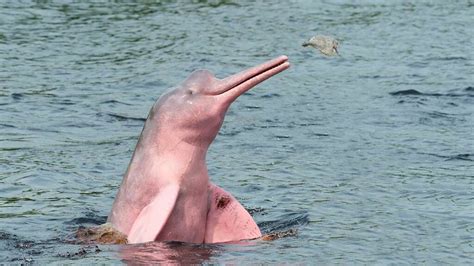
And now, let’s speak a little bit about wildlife – undoubtedly one of the biggest draws of Pacaya Samiria. Spotting pink river dolphins playing in the water is an experience. You can usually spot these only there in the Amazon River basin. I was amazed. The cacophony of sounds from howler monkeys echoing through the trees is certainly pretty intense, yet rather in a cool way. Keep your eyes peeled for caimans lurking near the riverbanks and countless species of birds flitting through the canopy. Your tour operator guide might tell you about some facts to get a greater level of what animals eat, the reproduction or how they socialize between themselves.
The Jungle at Night: An Entirely Different Perspective
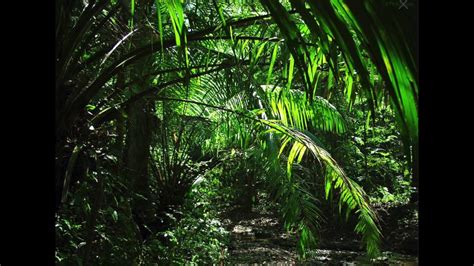
So, the jungle comes alive at night, yet arguably it’s in an entirely different way. When darkness falls, it’s also like nature turns on the ‘night shift,’ arguably for a completely different team of players takes the center stage. Night hikes, perhaps with your headlamp, can reveal spiders, insects, and even snakes that you would just never ever notice during the day. Boat trips on calm rivers sometimes give chances to spot caiman, their eyes gleaming in the beam of your light. The symphony of the jungle’s night sounds can, arguably, be both mesmerizing and bit eerie; crickets chirping, frogs croaking, who-knows-what rustling in the undergrowth. It really offers a total perspective, maybe it will offer you a bit more introspection when you’re traveling, and a new respect for the natural balance.
Food and Accommodation: What to Expect

OK, so what can you anticipate in terms of food and sleeping places? Typically, most tours provide easy accommodations, such as a basic jungle lodge or camping in provided tents. Do not predict, though, any like sort of luxuries you could probably enjoy elsewhere, yet actually anticipate a roof over your head, and, you know, maybe a mosquito net. Meals, normally, are usually prepared by the crew and typically consist of rice, beans, and maybe there’s some locally sourced fish or chicken. Food tends to be just really totally fulfilling, and honestly provides you enough fuel, right for days filled with lots of activity and exploration.
Cultural Immersion: Visiting Local Communities
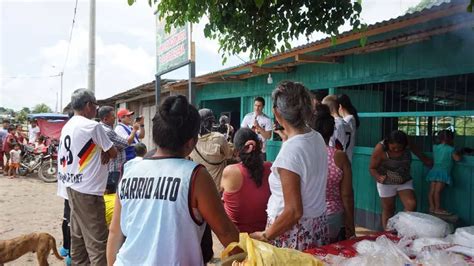
A seriously interesting part of the tour could involve visiting indigenous communities. This has potential to offer a closer observation on how they live, really. Many tour operators develop partnership strategies so visitors get to witness old lifestyles. What’s on tap, normally? It could consist of witnessing conventional practices. On many situations tourists are offered artisan handicrafts for trade. These activities must, naturally, be approached respectfully. I believe visitors have an obligation in safeguarding the culture.
The Challenges: Bugs, Heat, and Basic Comforts
Alright, you need to actually know of likely trip challenges: insects that want to nibble and really strong humidity, like really super sticky humidity can become a serious hassle at certain point in time, very. The humidity could, also, possibly add some stress. Anticipate minimal or non-existing access to Web, a condition of total isolation from contemporary life. So the smart idea is to ready ourselves ahead. Deal yourself some extra doses of calmness. The advantages and magical moments far over outweigh any hassle; so, be completely aware, continue being ready!
Photography Tips: Capturing the Amazon’s Beauty
To seize its awesome atmosphere, there definitely will be strategies worth considering. To properly be capable of photographing in deep rainforest environments, make the investment in an adequate camera; this would make some considerable effect for photographic performance as you wish. Remember additional storage room to stock lots of photographs. Starting as a photography hobby will certainly get rewarded: practice distinct techniques for instance how lighting effects work whenever you attempt wildlife photography. Most significant of everything usually is often, arguably, to respect environments to ensure that it maintains unimpaired and as awesome too, or perhaps it’s even getting much better with its wonderful grandeur!
Responsible Tourism: Minimizing Your Impact
Responsible travel must, clearly, usually be an important idea to ensure that your effect stays the smallest quantity, the littlest; it should literally matter most above nearly anything. So, often make consideration for trip operator qualifications and methods when you pick travel firms for that spot; choose those brands committed on low polluting guidelines together with good support for locals. Watch strictly guidelines as specified: remain respectfully distant faraway from all the creatures – the wild animals out there and be really quite mindful as regards waste habits too – you shouldn’t really need to throw the recyclable materials everywhere throughout, arguably as much! Keep supporting small firms. Let people profit because really its what will keeps our jungle locations healthy.
Is a 3-Day Tour Enough? Weighing the Pros and Cons
Therefore, has already a three-days-long trip span adequately covers its amazing offering package deals? When time stays restricted by work time frames than possibly this could serve effectively, and basically covers major characteristics well, quite enough effectively; though you may have preferred taking bit extra. Extented tours normally encourage more detailed immersions that allow one experiencing perhaps distant locales while taking a few probabilities noticing much difficult to find fauna’s plus other rare local plants specimens as well. Evaluate one’s own focal priorities coupled with timeframe considerations properly for the period selected with Amazon park trip organizing purposes really!